


A Choreographed Portrait of A Panorama of Mountains and Rivers
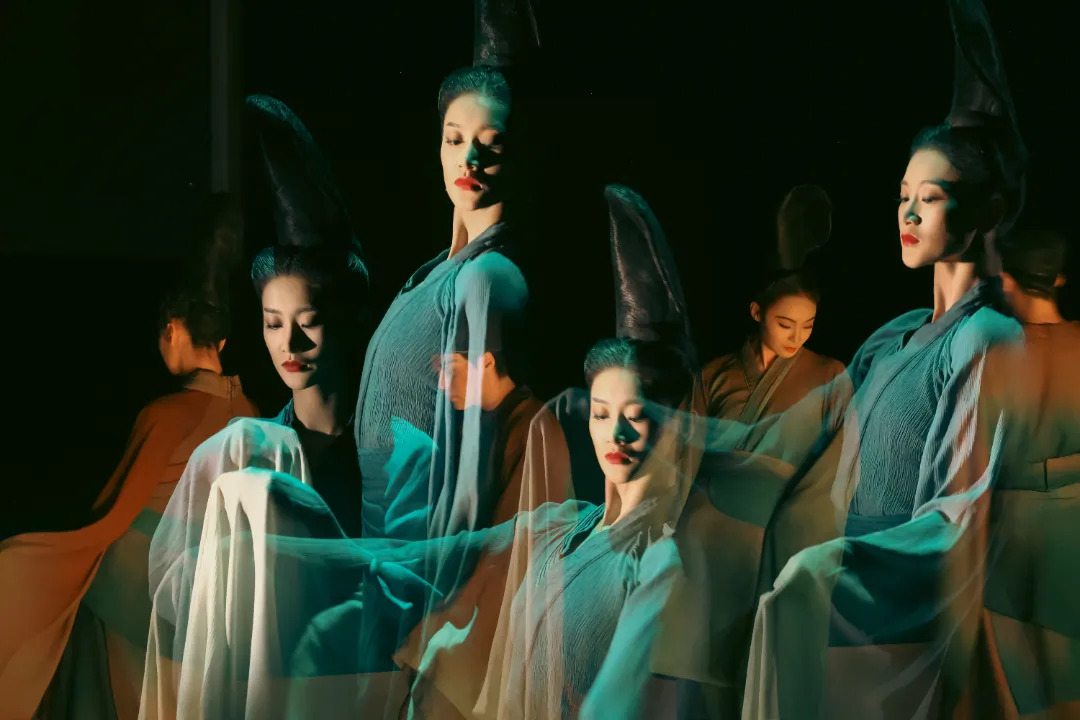
Inspired by A Panorama of Rivers and Mountains, the Northern Song masterpiece painted by Wang Ximeng at just eighteen, The Journey of a Legendary Landscape Painting unfolds through seven poetic chapters. It traces the world behind the scroll, from the materials and craftsmanship that made it possible to the young artist who brought it to life. Dancers transform the stage into a living landscape, their bodies echoing mountains, rivers, and the rhythm of the handscroll, as movement, music, color, and space carry the painting beyond the museum.
The production brings the spirit of Chinese aesthetics to the stage: the harmony of humanity and nature, the beauty of restraint and suggestion, and the poetic balance between stillness and movement. More than a retelling of an ancient painting, it is a cultural encounter, reviving anational treasure through contemporary performance and inviting audiences to experience how Chinese art connects landscape, philosophy, craftsmanship, and human emotion.
Across nine centuries, a scholar meets the young artist behind the masterpiece.
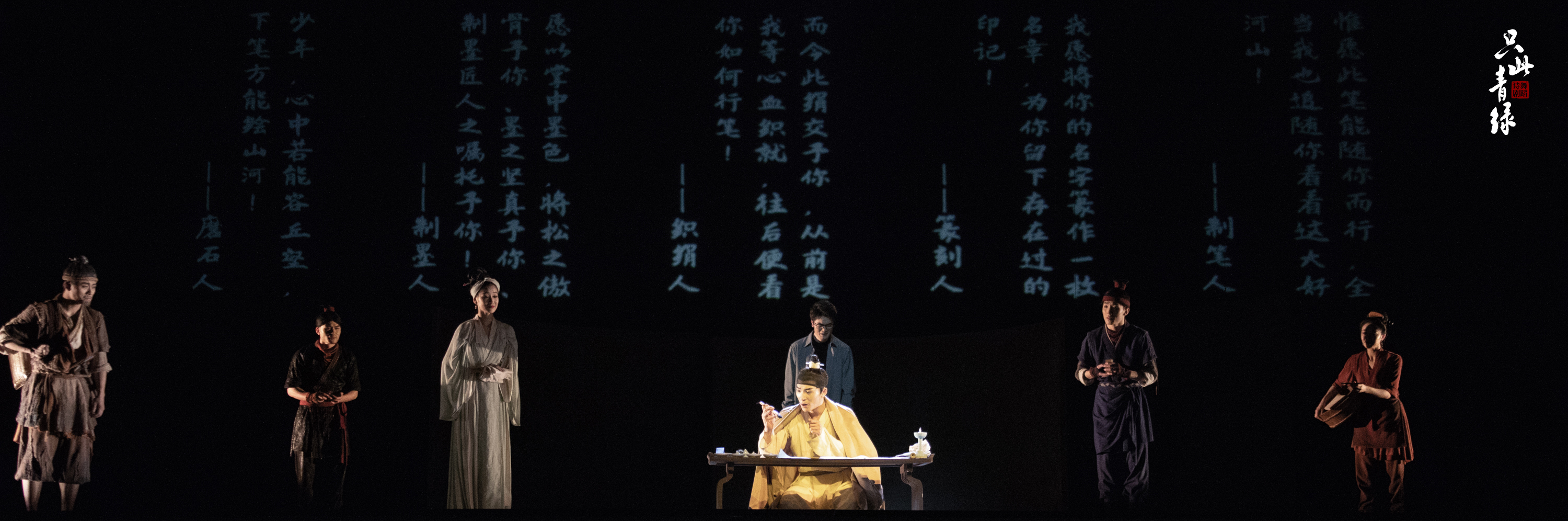
OUR GUIDE ACROSS TIME
A present-day Palace Museum researcher and the audience's guide into the story. As he prepares A Panorama of Rivers and Mountains for exhibition, his study of the scroll opens a passage across time, letting him, and us, witness its creation nearly nine centuries earlier.
THE YOUNG PAINTER
The eighteen-year-old painter at the heart of the production. We follow Ximeng through youthful ambition, intense concentration, struggle, and creative exhilaration as he pours himself into the monumental scroll, until artist and artwork seem almost inseparable.
THE SPIRIT OF THE LANDSCAPE
The living embodiment of the painting's green-blue mountains and rivers. Through sculptural movement drawn from the forms and rhythms of the landscape, Qinglv turns the still imagery of the scroll into a physical presence onstage.
THE MANY HANDS BEHIND THE SCROLL
Seal carvers, silk weavers, mineral grinders, brush makers, and ink makers reveal the many hands behind the masterpiece. Their work reminds us that a great painting is never the achievement of one artist alone, but the product of materials, skilled craftsmanship, and traditions passed
from one generation to the next.
Before the landscape can exist, a world of hands must prepare it. The production unfolds through seven poetic chapters, following the materials, the craftspeople, and the gestures that gradually bring the painting to life.

Across nine centuries, the Scroll Unfolder meets the young painter's gaze, and the distance between past and present begins to dissolve. The
scroll is no longer a silent relic. It is a living vessel, carrying the vision of its creator, the hands of generations of artisans, and the care of those
who preserve it into the present.
In this exchange, inheritance becomes more than preservation. It is the act of receiving, understanding, and carrying a culture forward. People pass through time, but the spirit they leave behind, and the rivers and mountains they imagined, endure.
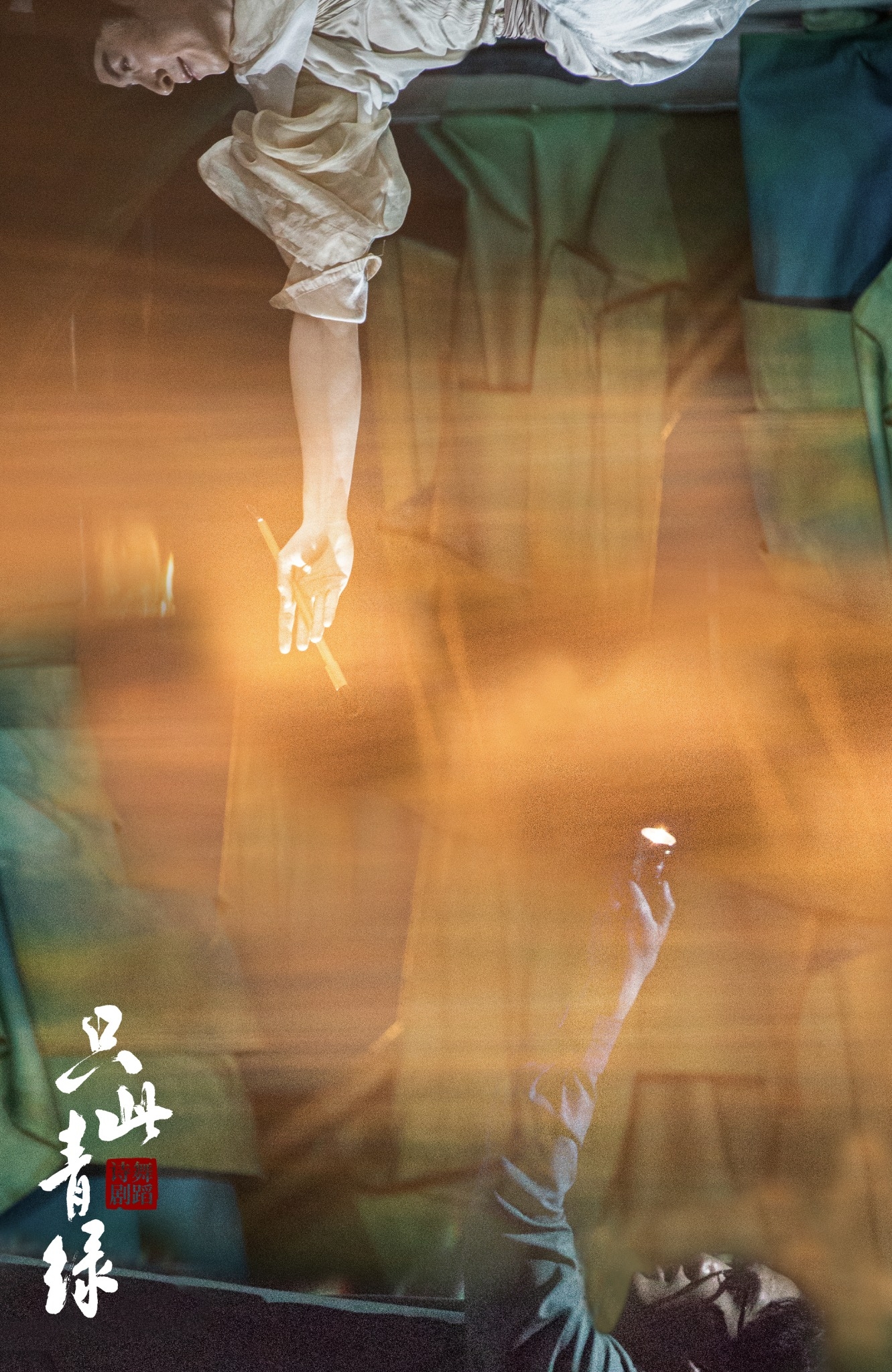

Artist:
Wang Ximeng
Date of Creation:
Northern Song Dynasty, 1113 AD
Medium:
Ink and color on silk
Dimensions:
H: 51.5 cm, W: 1191.5 cm
Current Collection:
Palace Museum, Beijing
One of the great works of green-blue Shanshui, the mineral-pigment tradition of Chinese landscape painting, A Panorama of Rivers and Mountains is the only surviving painting attributed to Wang Ximeng. Across its nearly twelve-meter length, monumental mountains and waterways are interwoven with bridges, homes, boats, trees, and small scenes of daily life.
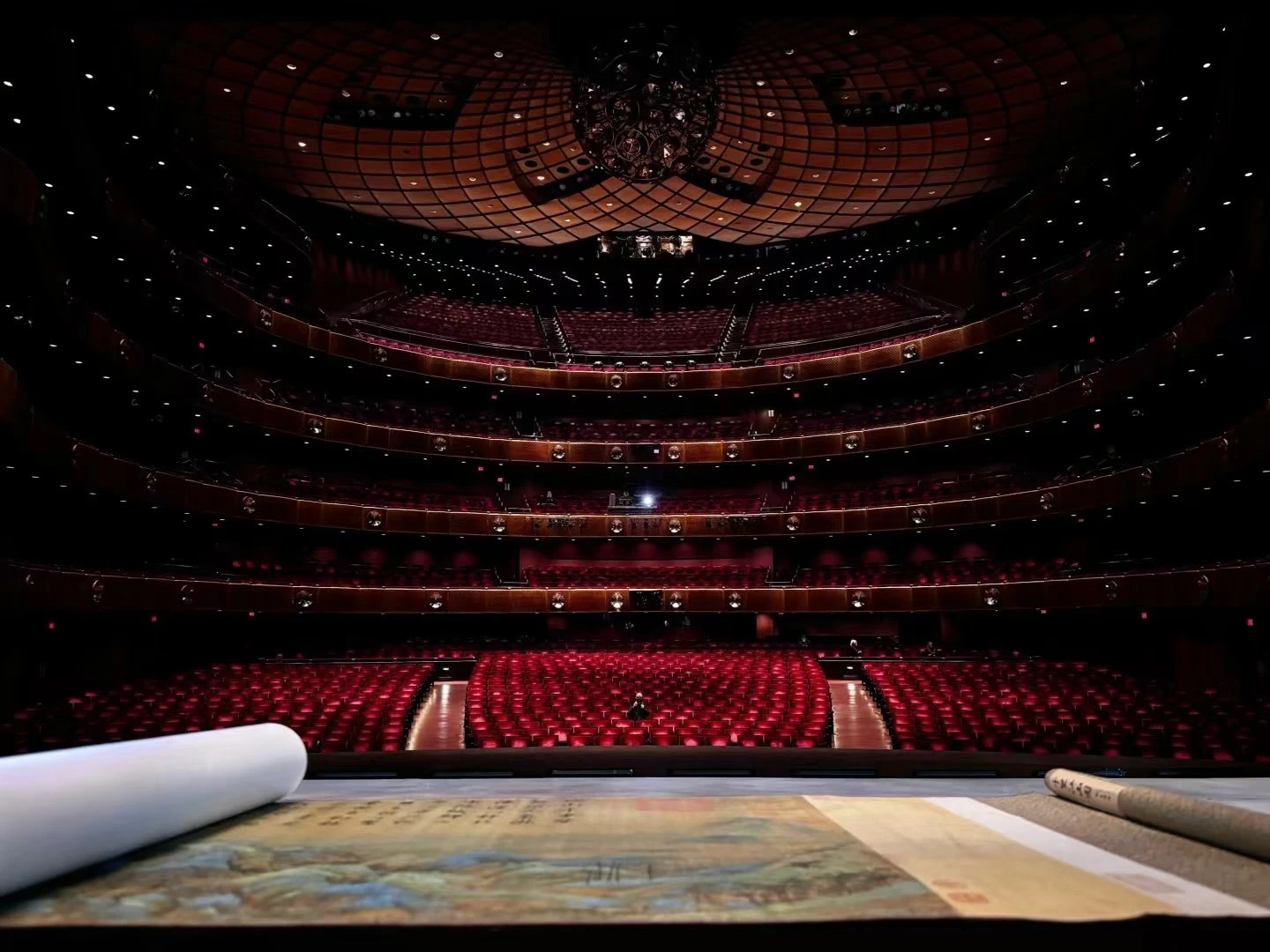
A handscroll is never seen all at once. As it is gradually unfolded, the viewer moves through the landscape almost like a traveler. It is this experience, the slow reveal of a world in motion, that the dance drama translates from silk to stage.
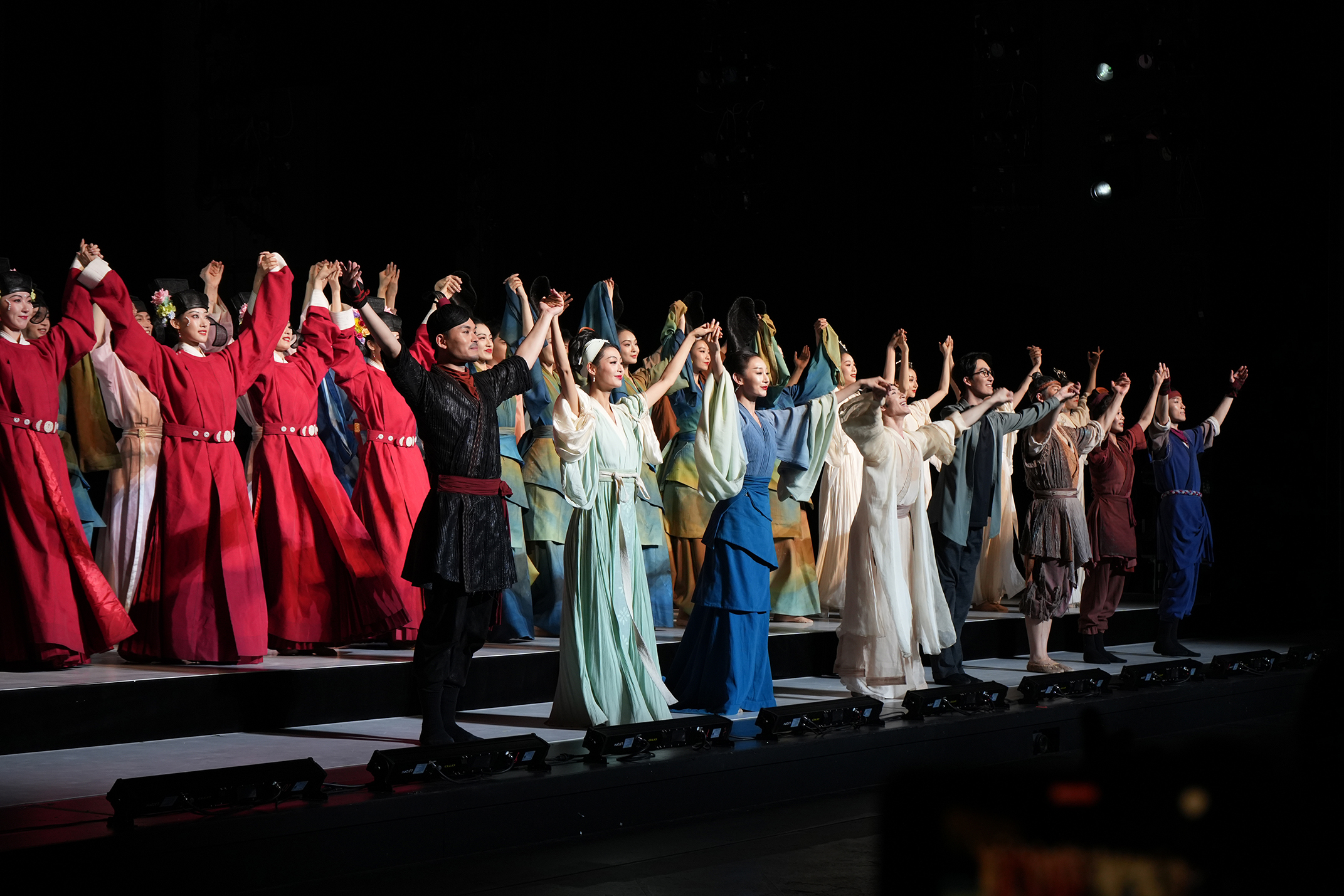
Presented by China Oriental Performing Arts Group, The Journey of a Legendary Landscape Painting has grown from an acclaimed Chinese stage production into an international cultural phenomenon. Since its premiere, it has earned major national artistic recognition and toured widely, with more than 900 performances across over 70 cities, reaching audiences in Asia, Europe, and North America.
This fall marks the production's third presentation in the United States, continuing a North American journey organized by Oever. Its return reflects the work's rare ability to resonate across cultures, carrying the legacy of A Panorama of Rivers and Mountains from one stage, one city, and one generation to the next.
SEP 4 - 6

Relevant Event
2024-25 Winter US tour

%201.png)

